Regional Urban Growth & Real Estate Spotlight
The Canal District Quit Being a Day Trip
By Jennie Kesselman. Exploring Worcester's Canal District transformation from game-day visitor hub to a 24/7 walkable residential neighborhood with 1,300+ new apartments, food halls, and boutique retail.
Canal District Transformation Summary
Worcester's Canal District has officially transitioned from a game-day visitor attraction into a self-sustaining 24/7 residential neighborhood. Driven by Polar Park stadium development, over 1,300 new apartment units have entered the district since 2020 (including luxury communities like The Revington renting from $1,894 to $3,441/month). Anchored by the 30-vendor Worcester Public Market at 160 Green Street, independent retailers like Crompton Collective and Sol Rune are now catering to permanent residents rather than transient tourists, making the area one of Central Massachusetts' most compelling urban real estate markets as of 2026.
Interested in Worcester Urban Real Estate?
Explore Canal District Lofts & Condos with Real Estate Elevated
Whether you are considering a luxury rental unit, a converted historic mill loft, or an investment property near Polar Park, our team brings regional market expertise to your search.
Friday night at Polar Park used to mean one thing: come for the game, maybe grab dinner on Green Street beforehand, and then drive home. But as the WooSox complete their fifth anniversary season in Worcester, the story surrounding the ballpark has changed dramatically.
The real story isn't just about baseball or theme nights—it is happening two blocks away in the food stalls of Worcester Public Market and the historic 1860 Crompton Loom mill building. The Canal District is no longer building itself for people who show up once for a ballgame and leave. It is building itself for the residents who live three streets over and need somewhere to grab dinner on a Tuesday.
Canal District Sub-Zone & Real Estate Matrix
Side-by-side comparative analysis of major Canal District corridors, their cultural anchors, primary residential property options, and price baselines.
Canal District Sub-Zone | Primary Cultural Anchors | Culinary & Retail Highlights | Residential Property Options | Price & Rent Baselines |
|---|---|---|---|---|
Worcester Public Market Corridor | 160 Green Street Food Hall (30 international vendors) | Ruby Doo's Korean, Kuru Kuru Ramen, TapaVino, Market Pantry | Upper-floor urban apartments (48 in-building units) | Rents: $1,750 - $2,600 / mo |
Polar Park Stadium Perimeter | Polar Park WooSox Stadium, Hanover Deck over left field | Ballpark dining, game-day pubs, seasonal event gardens | New luxury mid-rise construction (e.g., The Revington) | Studios from $1,894; 2-Beds to $3,441 / mo |
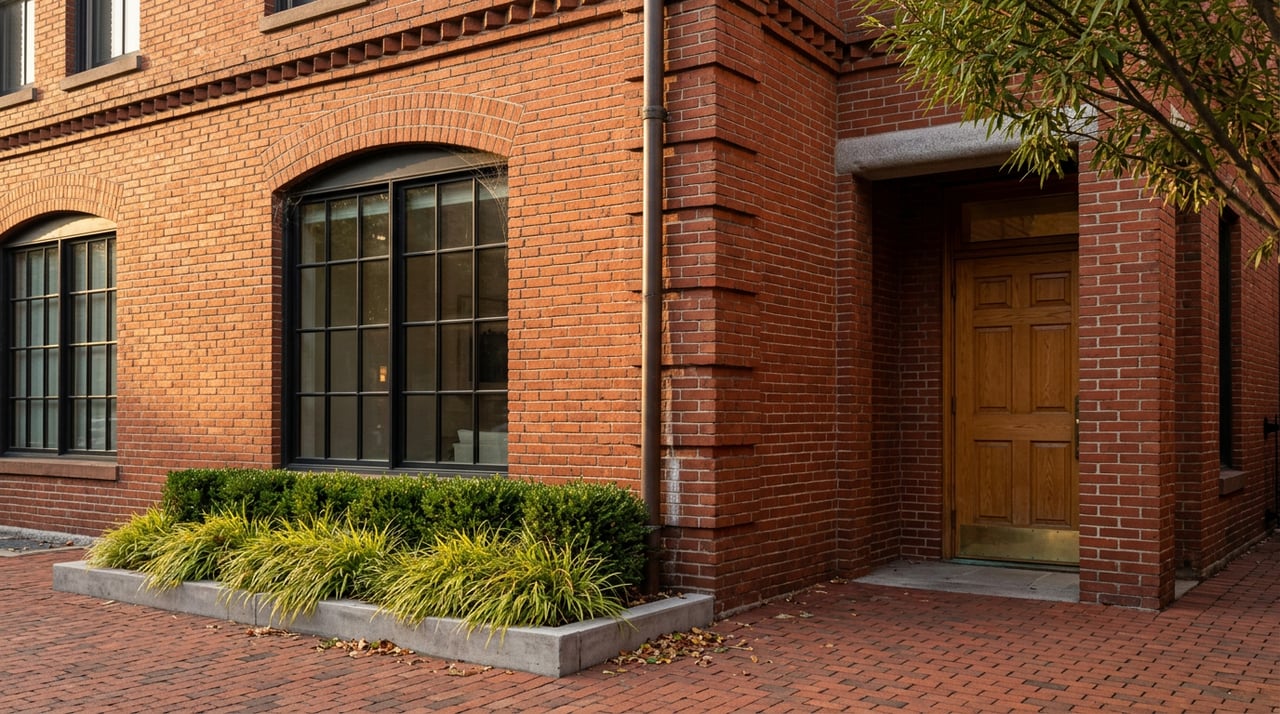
Crompton Loom / Harrison St District | 1860 George Crompton Loom Mill Building, Crompton Collective | Sol Rune home decor, vintage artisan markets, local coffee shops | Converted historic brick mill lofts & condos | Loft Sales: $320,000 - $480,000+ |
Kelley Square & Water Street Edge | Kelley Square peanut roundabout, walkable neighborhood grid | Traditional delis, craft cocktail lounges, bakeries | Classic multi-family triple-deckers & renovated flats | Multi-Family Sales: $550,000 - $750,000 |
Six Years In, the Market Stopped Introducing Itself
As Edible Boston reported, Worcester Public Market opened at 160 Green Street in 2019 right on Kelley Square, built on a half-acre lot that had cycled through five owners in sixteen years before local developer Allen Fletcher invested $21 million into the concept. Six years later, the novelty framing has been replaced by deep community roots.
The report also notes that the market now houses 30 vendors representing 14 countries, with roughly three out of four business owners being local immigrants. Recent additions like Kuru Kuru Ramen and TapaVino wine bar fill vacancies almost immediately. Longtime anchors like Ruby Doo's Korean Kitchen and The Market Pantry function less like tourist stops and more like a daily break room for local workers and neighborhood residents.
Retailers Betting on Neighbors, Not Tourists
1. Crompton Collective & Sol Rune
Operating in the historic 1860 George Crompton Loom building since 2012, owner Amy Chase expanded her retail footprint by opening Sol Rune at 19 Harrison Street. Her new location adds another retail option to the neighborhood.
2. The 1,300-Unit Residential Surge
Since 2020, the Canal District has added between 1,300 and 1,400 new residential units. Projects like The Revington represent modern urban living, with rental pricing reflecting high demand for new housing inventory steps from transit.
Infrastructure for a Permanent Neighborhood
The ballpark remains a vital community asset, but it is no longer the sole reason the neighborhood exists. The addition of the canopy roof over the Hanover Deck, the addition of permanent food hall stalls, and new home decor boutiques along Harrison Street represent permanent infrastructure built for residents who live here year-round.
Located within walking distance of Worcester Union Station (offering direct MBTA Commuter Rail service to Boston) and immediate highway connections via Route 146 and I-290, the Canal District has become one of Central Massachusetts' most vibrant urban residential nodes.
What This Means for Central Massachusetts Real Estate
More residential units mean more foot traffic for local businesses, higher long-term property stability, and increased competition for surrounding real estate listings. Whether you are exploring urban loft living or investing in regional growth, understanding these neighborhood dynamics is key.
Interested in exploring home buying or property investment in Worcester's Canal District? Connect with Jennie Kesselman at Real Estate Elevated today to start the conversation.
About Jennie Kesselman & Real Estate Elevated
Jennie Kesselman is a premier real estate advisor with Real Estate Elevated, serving home buyers, sellers, and investors across Windham County, CT, Worcester County, MA, and regional Southern New England.
Regional Insight: Jennie provides clients with detailed analysis on urban revitalization trends, MBTA commuter rail access, mill loft conversions, and regional property valuation.
Related Regional Real Estate & Relocation Resources
Frequently Asked Questions About Worcester's Canal District
How has Worcester's Canal District transformed in recent years?
The Canal District evolved from a seasonal, game-day visitor destination into a thriving 24/7 residential neighborhood driven by over 1,300 new apartment units, year-round dining at the Worcester Public Market, and independent retail.
What are the major attractions in the Canal District?
Key anchors include Polar Park (home of the WooSox), the Worcester Public Market featuring 30 international food vendors, Crompton Collective antique market, and Sol Rune home decor.
What type of housing is available in the Canal District?
Housing options range from newly constructed luxury apartment complexes like The Revington ($1,894 to $3,441/month) to historic mill loft conversions and urban condominiums surrounding Kelley Square.
How accessible is the Canal District for commuters?
The Canal District offers exceptional regional access, located within short walking distance of Worcester Union Station (MBTA Commuter Rail service to Boston) and immediate access to Route 146, I-290, and I-90.
Explore Urban Living in Worcester's Canal District
Connect with Jennie Kesselman and the team at Real Estate Elevated to explore residential listings, mill lofts, and urban investment opportunities. Contact us today!