Quiet Corner Historic Property Advisory
Should You Buy a Historic Home in Windham County, CT?
By Jennie Kesselman. Evaluating 18th and 19th-century architecture, historic district commissions, Connecticut tax credit incentives, and essential home inspection priorities across Windham County.
Historic Home Purchase Summary
Buying a historic home in Windham County, CT offers authentic New England architectural character across historic hubs like Woodstock Hill, Pomfret Street, Windham Center, Prospect Hill in Willimantic, and Canterbury Center. Prices range from $320,000 for village Victorians to $1.2M+ for restored country estates. Key buying considerations include: 1) Historic District Commissions: Local exterior renovations may require a Certificate of Appropriateness; 2) Inspection Priorities: Water drainage, timber framing, and pre-1978 lead paint mitigation; and 3) Financial Benefits: Connecticut's Historic Homes Rehabilitation Tax Credit offers a 30% return (up to $30,000) for qualifying owner-occupied primary residences.
Considering an Antique Home in Windham County, CT?
Evaluate Historic Designations & Staging with Jennie Kesselman
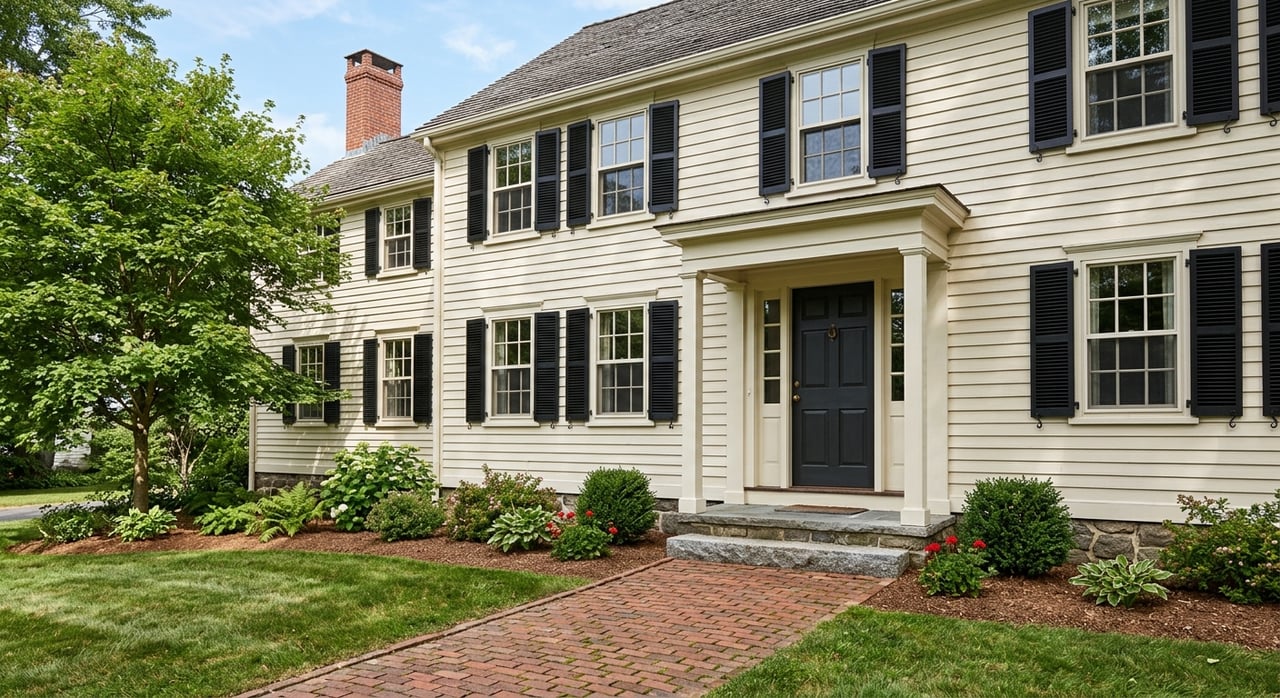
Whether you are drawn to an 18th-century timber-frame colonial in Woodstock, a Greek Revival in Pomfret, or a Victorian in Willimantic's Prospect Hill, our team guides your due diligence.
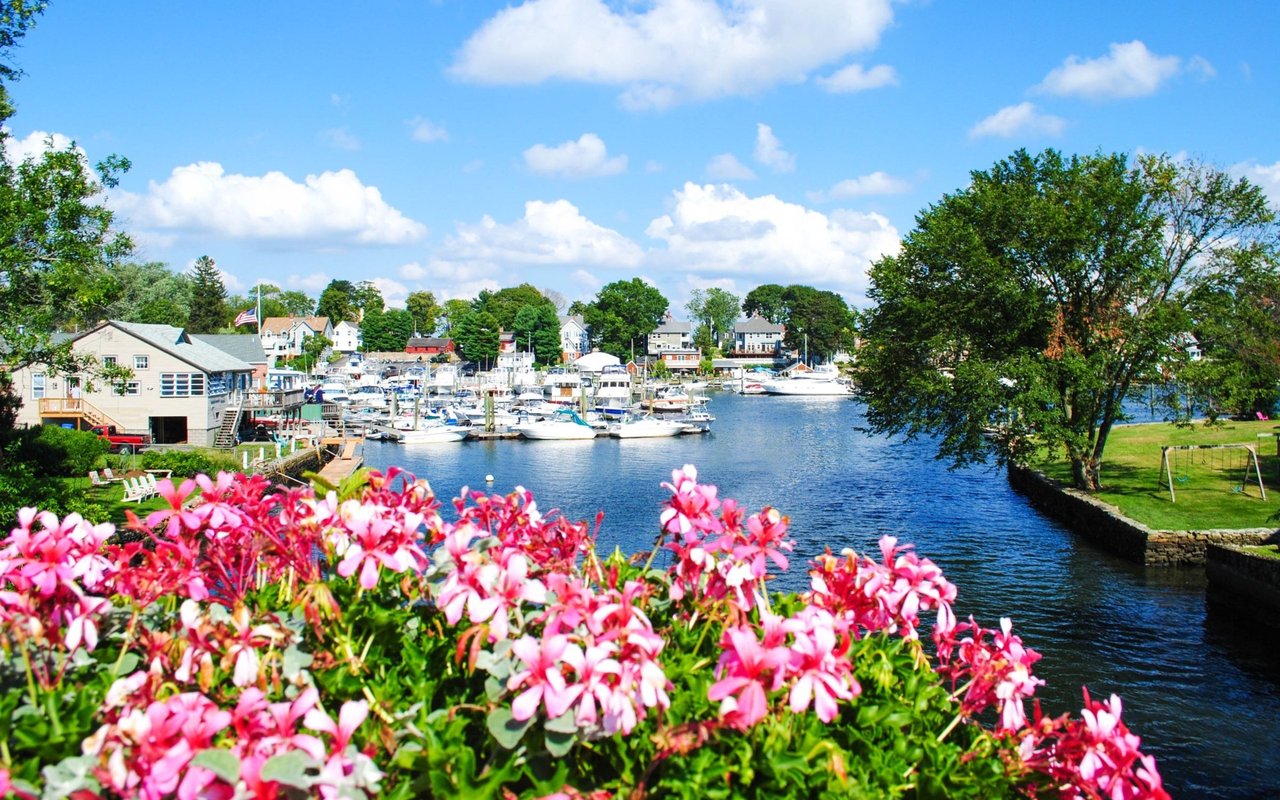
Buying a historic home can feel like falling in love and doing rigorous technical due diligence at the exact same time. In Windham County, that choice comes with authentic architectural charm, stone-wall country streetscapes, and a few essential practical trade-offs you must understand before committing.
From Windham Center and Canterbury Center to Woodstock Hill and Prospect Hill in Willimantic, Windham County features an exceptional concentration of 18th and 19th-century homes. In this guide, we break down historic designations, renovation commission reviews, specialized home inspection priorities, and Connecticut tax credit benefits.
Windham County Historic Architectural Styles & Buying Matrix
Comparative side-by-side analysis of primary historic architectural styles found across Windham County, detailing key structural traits, common inspection priorities, and typical price baselines.
Architectural Style & Era | Primary Locations | Key Structural Features | Inspection & Renovation Priorities | Price Spectrum Baseline |
|---|---|---|---|---|
18th-Century Post & Beam Colonial | Woodstock Hill, Pomfret, Canterbury Center | Hand-hewn timber frames, central chimneys, wide-plank floors | Foundation sill rot, moisture management, antique window restoration | $420,000 - $1,200,000+ |
19th-Century Federal & Greek Revival | Windham Center, Brooklyn Green, Pomfret Street | Symmetrical facades, formal porticos, decorative interior molding | Plaster wall condition, attic insulation air sealing, slate roof wear | $380,000 - $850,000 |
Victorian Gothic & Queen Anne | Prospect Hill (Willimantic), Putnam, Danielson | Intricate trimwork, turrets, steep gables, stained glass | Exterior paint maintenance, pre-1978 lead dust, multi-layer roofs | $320,000 - $580,000 |
Industrial Mill Loft Conversions | Putnam, Willimantic, French River corridor | Exposed brick interior walls, massive timber beams, high ceilings | HOA fee structures, soundproofing, industrial conversion quality | $250,000 - $420,000 |
Understanding Historic Designation and Commission Reviews
A major misconception among buyers is that any old house is automatically historically designated. Formal historic status follows a structured state process: Connecticut's preservation system includes 126 historic districts, over 8,000 designated buildings, and 92 individual landmarks.
A property may be individually listed, situated within a historic district, or identified as a non-contributing resource within a district. In designated local historic districts, exterior changes (such as window replacements, siding alterations, or trim modifications) are subject to review by the local Historic District Commission before receiving a Certificate of Appropriateness.
Essential Inspection Priorities for Antique Homes
1. Moisture Management & Foundation Drainage
Uncontrolled moisture is the single primary cause of deterioration in historic buildings. Inspections must rigorously evaluate gutters, roof valleys, basement dampness, site grading, and timber sill integrity to prevent wood rot and foundation erosion.
2. Air Sealing & Strategic Wall Insulation
Aggressive wall insulation in antique homes can accidentally trap moisture and cause freeze-thaw masonry damage. DOE guidelines recommend whole-house energy audits, storm window retrofits, and strategic attic air sealing rather than indiscriminate wall cavity filling.
3. Pre-1978 Lead-Based Paint Compliance
Homes constructed before 1978 frequently contain lead-based paint. Under EPA regulations, paid renovation work disturbing painted surfaces must be performed by certified renovators using lead-safe containment techniques, an essential cost planning factor.
4. Connecticut Historic Rehabilitation Tax Credit
Owner-occupants spending at least $15,000 on qualifying rehabilitation expenses for a designated primary residence can claim a 30% Connecticut state tax credit (up to $30,000). Contributing outbuildings like antique barns may also qualify.
A Smart Historic Home Buying Plan
To protect your equity and avoid costly surprises, follow this sequential due diligence protocol:
- Confirm Property Designation: Verify whether the property is individually listed or a contributing district resource.
- Review Commission Records: Check past exterior alterations and historic commission permits.
- Order Preservation Inspection: Hire an inspector experienced in timber framing, antique masonry, and old wiring.
- Perform Energy Assessment: Conduct a professional audit prior to installing insulation or HVAC retrofits.
- Evaluate Tax Credit Eligibility: Consult SHPO guidelines for the 30% Connecticut rehabilitation credit.
Navigate Historic Real Estate Decisions with Real Estate Elevated
Historic home ownership is deeply rewarding for buyers who value craftsmanship, character, and community heritage. Combining emotional passion with structured technical due diligence ensures your investment remains a source of joy and equity.
Exploring historic colonials or antique properties in Windham County? Connect with Jennie Kesselman at Real Estate Elevated today for expert local representation.
About Jennie Kesselman & Real Estate Elevated
Jennie Kesselman is a top-producing real estate professional with Real Estate Elevated, advising historic home buyers, sellers, and property investors across Windham County, CT and regional New England.
Preservation Advisory Standard: Jennie provides clients with detailed analysis on SHPO tax credits, historic district commission guidelines, timber framing evaluations, and SmartMLS sales data.
Related Windham County Real Estate Guides
Frequently Asked Questions About Historic Homes in Windham County
What makes a home historically designated in Windham County, CT?
A home is considered historic if it is individually listed on the State or National Register of Historic Places, located within a designated local historic district, or identified as a contributing resource within that district. Age alone does not automatically convey formal historic status.
Can you renovate or alter the exterior of a historic home in Windham County?
Yes, but exterior architectural modifications on homes within local historic districts may require review and approval from the local Historic District Commission to receive a Certificate of Appropriateness before work begins.
What are the most critical inspection priorities for an antique home?
Water management and moisture control are the top priorities, as moisture causes wood rot and foundation erosion. Buyers should also inspect roof age, drainage grading, electrical wiring, lead-based paint risks (pre-1978), and heating system efficiency.
Are tax credits available for rehabilitating a historic home in Connecticut?
Yes. Connecticut's Historic Homes Rehabilitation Tax Credit offers a 30% tax credit (up to $30,000) for owner-occupied primary residences that spend at least $15,000 in qualifying rehabilitation expenses on designated properties.
Ready to Explore Historic Homes in Windham County?
Let Jennie Kesselman and the regional advisors at Real Estate Elevated guide your search for the ideal antique colonial, Greek Revival, or historic property in Windham County, CT. Contact us today!