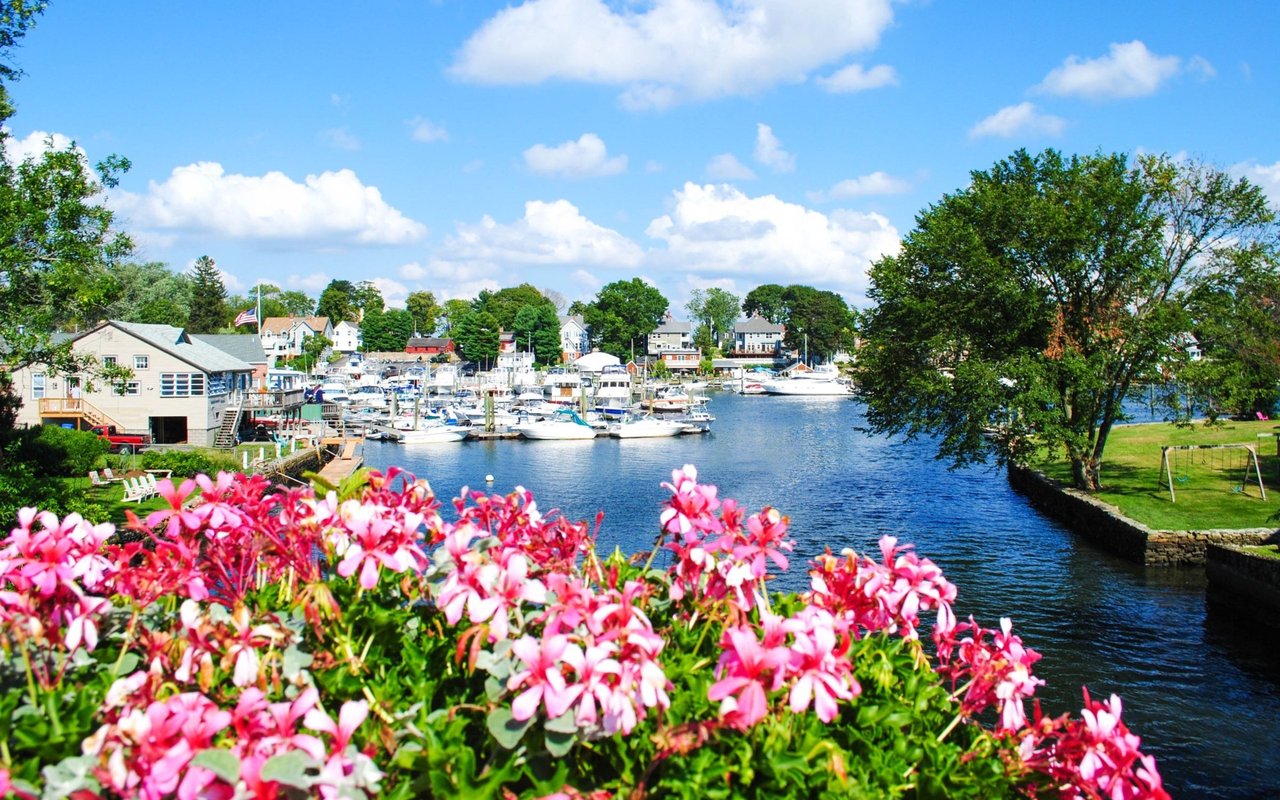
Wondering whether Middlesex County feels more like a riverfront escape or a shoreline lifestyle? If you are thinking about buying in this part of Connecticut, that choice can shape everything from your daily routine to your home search priorities. The good news is that Middlesex County offers several distinct ways to live, and understanding the differences can help you focus on the right towns faster. Let’s dive in.
Middlesex County has three lifestyle lanes
Middlesex County is not one uniform market. Based on town and city information, it makes more sense to think of the area in three lifestyle lanes: riverfront villages, shoreline towns, and the central corridor.
The riverfront lane includes Essex, Ivoryton, and Chester. The shoreline lane includes Old Saybrook, Clinton, and Westbrook. The central corridor is anchored by Middletown and Cromwell, where Route 9 and I-91 shape day-to-day convenience and commuting patterns.
If you start your search with the wrong lane, even great homes can feel off. If you start with the right one, your shortlist usually comes together much more clearly.
Riverfront towns offer village character
If you picture a home search with historic streets, a slower pace, and more village-centered living, the riverfront towns are a strong place to begin. These areas tend to feel rooted in local history and shaped by the Connecticut River rather than by beach activity.
For many buyers, that means the appeal is not just the home itself. It is also the feel of the setting, the scale of the town center, and the sense that daily life happens in smaller, more established village pockets.
Essex and Ivoryton feel connected and historic
Essex describes itself as a three-village township tied together by the Falls River and the Connecticut River. That matters because Ivoryton is not a separate municipality, but one of Essex’s villages, with its own mill-village identity layered into the larger town.
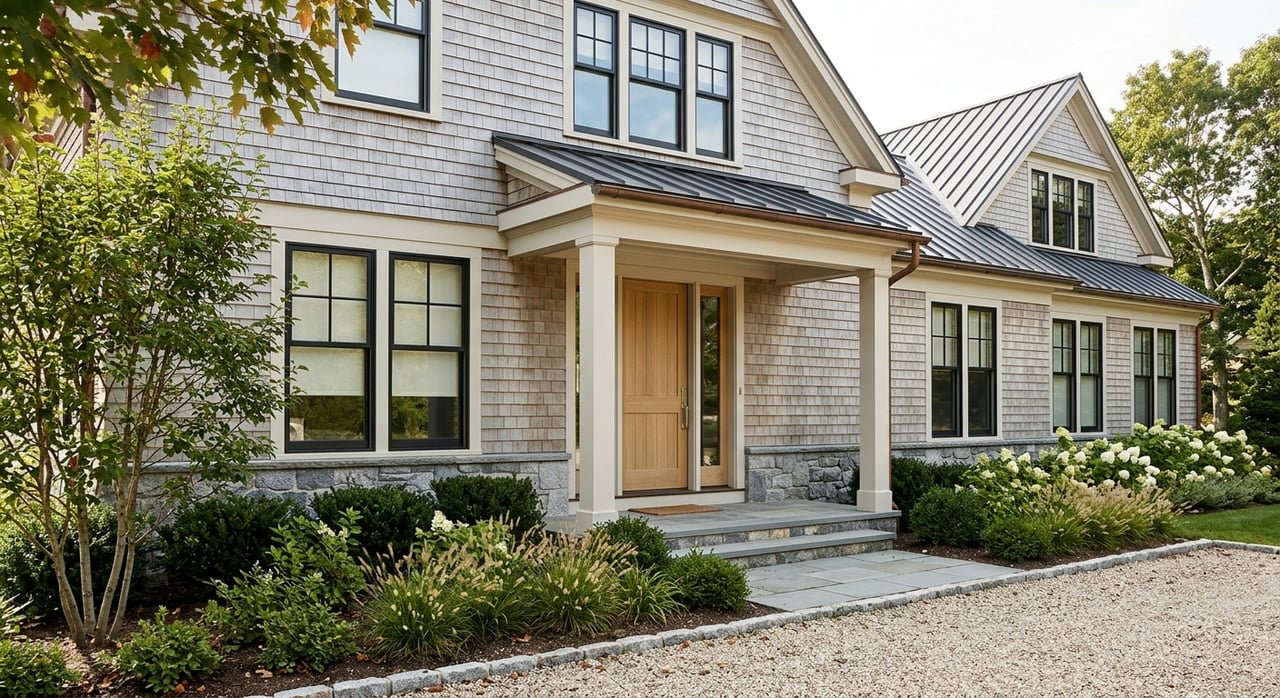
Housing character here includes older homes such as Federal, Victorian, and Cape Cod styles. Essex emphasizes historic village scale and architecture, while Ivoryton adds factory homes and the Ivoryton Playhouse, which contributes to a distinctly village-centered feel.
If you want a setting that feels quiet, established, and visually tied to earlier New England building patterns, Essex and Ivoryton may rise to the top of your list. These towns can be especially appealing if you value character over a more typical suburban layout.
Chester adds rural charm and Main Street energy
Chester presents a slightly different version of riverfront living. The town describes itself as a small rural town with a picturesque Main Street, a strong arts and restaurant presence, and a hillside setting above the Connecticut River.
Town materials also show that Chester centers around Route 9 exit 8. In practical terms, that suggests a more car-oriented pattern than some shoreline towns, while still keeping you reasonably connected.
Chester planning documents note that many historic houses remain single-family homes, with some village-core buildings converted to other uses. For you as a buyer, that can translate into a compact historic district feel rather than a landscape dominated by newer subdivision-style development.
Shoreline towns center life around the water
If your ideal day includes beaches, marinas, boat access, or a stronger connection to shore-oriented recreation, the shoreline towns may be the better match. These towns tend to organize daily life more directly around Long Island Sound and coastal access.
That does not mean they all feel the same. Old Saybrook, Clinton, and Westbrook each offer shoreline living, but the mix of transit, seasonal activity, and housing patterns varies from town to town.
Old Saybrook stands out for access
Old Saybrook is the most transit-rich shoreline option in this group. The town notes that it sits where the Connecticut River meets Long Island Sound and offers marinas, two public beaches, a boat launch, and walking and bicycling routes.
From a transportation standpoint, Old Saybrook is especially notable. Town information lists access from I-95 exits 66, 67, and 68, Route 9 exit 2, Shore Line East, Amtrak, and boat access, which is an unusual combination for Middlesex County.
If you want shoreline living but do not want to give up broader regional connectivity, Old Saybrook deserves a close look. It can be a smart fit if you are balancing lifestyle goals with travel or commuting considerations.
Clinton feels coastal and seasonal
Clinton’s town materials emphasize that it is surrounded by water. Its low-lying areas include residential beach neighborhoods, marinas, and a commercial corridor, which helps explain why shoreline conditions are such a visible part of the town’s identity.
The protected harbor, nearby restaurants, town beach, and seasonal trolley all point to a lifestyle shaped by the coast. For many buyers, Clinton reads like a beach-town version of suburban Connecticut, where water access is a major draw but planning around coastal conditions is also part of the picture.
If you are drawn to a classic shore-town feel with active waterfront use, Clinton may check a lot of boxes. It is the kind of place where your lifestyle priorities and your property due diligence should go hand in hand.
Westbrook mixes shoreline charm and variety
Westbrook describes itself as a quaint shoreline community on Long Island Sound. The town also notes its history as a popular summer resort area by the 1870s, and local emergency management materials say the population can rise to 10,000 in summer months.
That seasonal pattern matters because it gives Westbrook a different rhythm at different times of year. At the same time, current planning work points toward more housing diversity, including accessory apartments, two-family houses, and cottage courts.
If you want shoreline living without assuming every option is a traditional seasonal cottage, Westbrook may offer more flexibility than you expect. It is worth watching if you want water-oriented living with a wider range of property types.
Central corridor towns prioritize convenience
Not every buyer wants village scale or shoreline activity to drive the decision. If your top priorities are daily convenience, highway access, and a broader mix of housing choices, the central corridor may be your best fit.
Middletown and Cromwell offer a different version of Middlesex County living. Instead of leaning on riverfront charm or beach access, they tend to serve buyers who want practical transportation connections and more varied day-to-day options.
Middletown offers the broadest mix
Middletown is the county’s hub and the strongest option for buyers who care most about convenience. The city describes itself as having easy access to highways, airports, railroads, and other transportation, and its land-use materials note a mix of urban, suburban, and rural settings.
Transit options also stand out. CTtransit provides local fixed-route service to Hartford, along with commuter bus service from park-and-ride lots, and downtown planning materials point to a mixed-use residential pattern that includes apartments and condominiums.
The numbers reinforce that Middletown is the broadest and most mixed housing market in this group. QuickFacts estimates put the population at 48,616, much larger than the other towns discussed here, with an owner-occupied housing share of 52.9 percent.
Cromwell offers a middle-ground option
Cromwell is a practical middle ground for buyers who want central location and a more conventional suburban housing mix. The town profile places Cromwell about 14 miles south of Hartford and linked by both I-91 and Route 9.
That road network matters because Route 9 connects I-95 in Old Saybrook, I-91 in Cromwell, and I-84 in New Britain. For buyers who expect to drive regularly for work, errands, or regional travel, Cromwell’s location can be a meaningful advantage.
Housing variety is also part of the appeal. The town says condominiums have been part of the landscape since the 1960s and make up about 20 percent of the housing stock, which can give you alternatives beyond detached single-family homes.
What the housing numbers suggest
Population and owner-occupancy figures help show how different these towns really are. According to 2024 QuickFacts estimates, Middletown has 48,616 residents, Cromwell 14,388, Clinton 13,467, Old Saybrook 10,689, Westbrook 6,918, and Essex 6,847.
Owner-occupied housing shares are also telling. Middletown is at 52.9 percent, Cromwell at 82.4 percent, Clinton at 84.7 percent, Old Saybrook at 85.3 percent, Westbrook at 75.6 percent, and Essex at 78.1 percent.
Taken together, these figures suggest that Middletown is the widest-ranging market in terms of scale and housing mix. The other towns are smaller and more owner-occupied, which can affect the overall feel of the market and the types of homes you are most likely to encounter.
Water changes the due diligence
One of the biggest mistakes buyers can make in Middlesex County is focusing only on the town and not enough on the specific property. Water access is a major lifestyle benefit in this region, but it also changes the questions you should ask during your search.
Clinton states that its low-lying areas are vulnerable to sea-level rise, coastal storms, strong winds, and storm surge. Westbrook’s planning and harbor-management materials also focus on shoreline resilience, while Old Saybrook’s harbor commission manages moorings, slips, kayak racks, and flats-and-beaches access.
Riverfront buyers should be just as thoughtful. Chester planning materials reference the Connecticut River flood plain, and Essex’s history notes that the 1936 flood inundated waterfront properties.
The practical takeaway is simple: the right town matters, but the specific parcel matters just as much. If you are considering any home near the river, harbor, or shoreline, property-level research should be part of your strategy from the start.
How to choose the right town
If you are deciding where to begin, it helps to match your first tours to your lifestyle priorities rather than to broad assumptions about the county. Middlesex County works best when you search with a clear framework.
A simple way to start is to ask yourself which of these sounds most like home:
- Riverfront villages: You want historic texture, smaller-scale town centers, and a slower pace.
- Shoreline towns: You want beaches, marinas, shore recreation, and stronger coastal identity.
- Central corridor towns: You want everyday convenience, highway access, and a broader mix of housing types.
You do not need to have every answer before you start. But if you know whether you are chasing village character, shoreline access, or practical convenience, you can search smarter and waste less time.
Whether you are buying your first Connecticut home, relocating, or looking for a lifestyle property with long-term value in mind, a strategic town-by-town approach makes all the difference. If you want guidance tailored to your goals, connect with Jennie Kesselman for clear, thoughtful help navigating your next move.
FAQs
What is the difference between riverfront and shoreline towns in Middlesex County?
- Riverfront towns like Essex, Ivoryton, and Chester tend to offer historic village character and a slower-paced feel, while shoreline towns like Old Saybrook, Clinton, and Westbrook center more on beaches, marinas, and coastal recreation.
Which Middlesex County town has the best transportation access?
- Old Saybrook stands out for shoreline access to I-95, Route 9, Shore Line East, Amtrak, and boat access, while Middletown is also a strong choice for buyers who value broad transportation connections and everyday convenience.
Is Middletown a good choice for buyers who want more housing variety?
- Yes. City materials describe a mix of urban, suburban, and rural settings, and local planning documents point to apartments and condominiums in addition to other housing types.
What should buyers know about waterfront risk in Middlesex County?
- Town and planning materials show that both shoreline and riverfront areas can face flood- or storm-related concerns, so it is important to evaluate the specific parcel and its relationship to water, not just the town name.
Is Ivoryton its own town in Middlesex County?
- No. Ivoryton is one of the three villages within the Town of Essex, not a separate municipality.