2026 Relocation & Community Guide
Moving to Woodstock CT: Complete 2026 Relocation Guide
Rural character, historic charm, private well/septic realities, and tuition-free Woodstock Academy education.
Moving to Woodstock, CT offers a rural lifestyle in Windham County covering 61 square miles with 8,000 residents. Located 40 minutes from Worcester and 90 minutes from Boston, Woodstock features tuition-free access to Woodstock Academy, private well/septic acreage properties, and historic village homes as of 2026.
Key Woodstock CT Community Attributes
Community Factor | Woodstock Local Statistic / Reality | Primary Regional Benefit | Home Buyer Consideration |
|---|---|---|---|
High School System | Woodstock Academy (Independent 9-12) | Tuition-free private prep school education funded via town taxes | Major draw for relocating families seeking elite prep amenities |
Land & Utility Types | Private Well & Septic Systems (1+ Acre Minimum) | Expansive private lots, agricultural preservation, low density | Mandatory well and septic pre-purchase inspections required |
Worcester Commute | 40 Minutes via Interstate 395 North | Direct highway access to Massachusetts employment corridors | Ideal position for hybrid and remote professionals |
Hartford & Boston | 60 mins to Hartford / 90 mins to Boston | Tri-state regional access across CT, MA, and RI borders | Quiet Corner location eliminates urban congestion |
Considering a Move to Woodstock, CT?
Jennie Kesselman specializes in historic homes, lakefront cottages, and equestrian estates across Windham County.
The Quiet Corner: What It Means for Daily Life
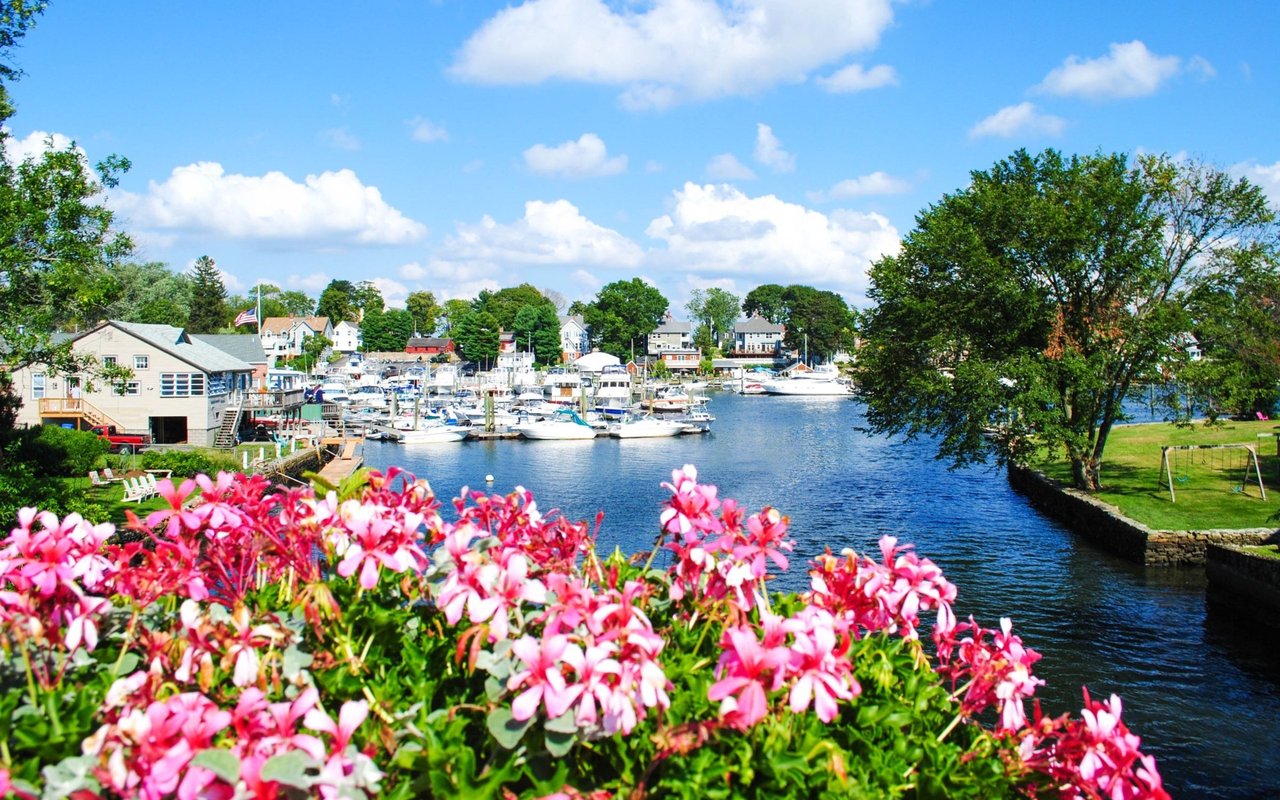
Woodstock sits at the geographic intersection of Connecticut, Massachusetts, and Rhode Island. Known as the crown jewel of Connecticut's Quiet Corner, the town covers 61 square miles characterized by rolling farmland, stone walls, and historic architecture. The absence of commercial strip development preserves a peaceful rural environment while maintaining convenient highway connections.
Community events anchor local life, highlighted by the annual Woodstock Fair over Labor Day weekend (one of Connecticut's oldest agricultural fairs) and historic landmarks such as the pink Gothic Revival Roseland Cottage on Woodstock Hill.
Woodstock Neighborhood Micro-Markets
Historic Hill & Village Center
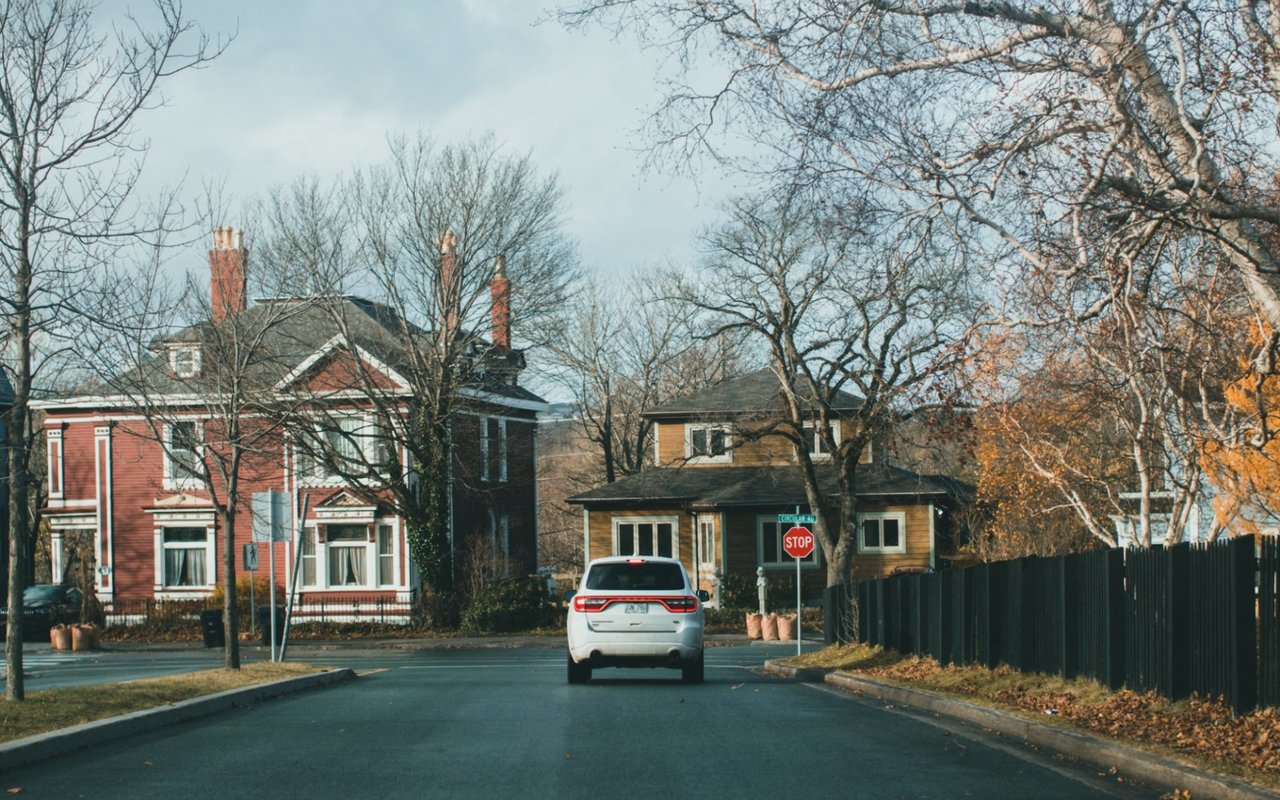
Surrounding Roseland Cottage, the town green, and Woodstock Academy. Features 18th and 19th-century antique colonials, timber farmhouses, and tree-lined village roads.
Lake Life: Bunggee & Witches Woods
Private lake communities offering waterfront cottages, private beach access, and boating. Inventory is tightly held and represents premier recreational property in Windham County.
Farm & Equestrian Corridor: South Woodstock
Characterized by 5 to 50+ acre parcels, working horse facilities, custom country estates, and open pastures along the Taylor Brooke Winery corridor.
Woodstock Real Estate Market & Rural Infrastructure
The Woodstock housing market attracts buyers seeking space, privacy, and architectural character. Turn-key country homes and properties near Woodstock Hill command strong demand. Almost all homes rely on private wells and septic tanks, making pre-purchase engineering tests critical.
Woodstock Academy & Public School System
Education in Woodstock is defined by Woodstock Academy, an independent prep school founded in 1801. Through a municipal contract, Woodstock Academy serves as the designated public high school for town residents at no tuition cost. Students in grades K-8 attend Woodstock Elementary School and Woodstock Middle School before attending the Academy campus.
Regional Commute & Transportation Matrix
Destination City | Estimated Drive Time | Primary Travel Route |
|---|---|---|
Worcester, MA | 40 Minutes | Interstate 395 North to I-290 |
Hartford, CT | 60 Minutes | Route 44 West to Interstate 84 |
Providence, RI | 60 Minutes | Interstate 395 South to I-95 |
Boston, MA | 90 Minutes | Interstate 395 North to Mass Pike (I-90) |
Bradley International Airport (BDL) | 60 Minutes | Route 44 West to Interstate 91 North |
New Resident Checklist: Rural Homeownership Essentials
- Private Well & Septic Inspection: Verify tank capacity, leach field condition, and water purity prior to removing purchase contingencies.
- High-Speed Fiber Internet Audit: Confirm fiber availability directly with local service providers for remote work reliability.
- Winter Snow Removal Plan: Arrange private plow contracts for long rural driveways ahead of early winter snowfalls.
- Heating Fuel Evaluation: Assess oil, propane, or heat pump systems and review historical annual heating expenses.
- Historic Preservation Rules: Confirm district guidelines if purchasing within the Woodstock Hill National Historic District.
Related Windham County Lifestyle & Real Estate Guides
About Jennie Kesselman & Real Estate Elevated
Jennie Kesselman leads the Marquee Team at Berkshire Hathaway HomeServices / Real Estate Elevated, specializing in luxury homes, land acquisitions, and historic restorations across Woodstock and Windham County. Ranking in the Chairman's Gold Circle (top 2% globally), Jennie provides unmatched local real estate advisory.
Verified Data Point: Woodstock Academy ranks among Connecticut's premier independent prep academies, serving over 1,000 regional and international students.
Frequently Asked Questions
Is Woodstock, CT a good place to live?
What is Woodstock, CT known for?
What are homes like in Woodstock, CT?
How far is Woodstock CT from major cities?
What school district is Woodstock CT in?
Ready to Make the Move to Woodstock CT?
Contact Jennie Kesselman and Real Estate Elevated for expert guidance on rural properties in Windham County.
Source Notes: Town geography, population metrics, commute distances, and school district contracts verified via Town of Woodstock CT municipal records and Woodstock Academy administrative disclosures, current through 2026.