For families with children, home safety is not just a matter of convenience—it’s a top priority. Whether moving into a new property or preparing an existing home for a growing family, it’s essential to take proactive steps to identify and eliminate potential hazards. In a town like Woodstock, CT, where many homes are historic and situated on spacious lots, additional considerations such as stair safety, older infrastructure, and outdoor access come into play. Making a home safe for children doesn’t require a complete renovation, but it does demand thoughtful planning and consistent attention to detail.
Start With A Whole-Home Safety Assessment
The first step in making any home child-safe is to perform a thorough walk-through, identifying any hazards that could pose a risk to infants, toddlers, or young children. Stairways, electrical outlets, sharp furniture edges, and unsecured shelving should be evaluated carefully. In older homes, common in Woodstock, homeowners should also check for lead paint, loose floorboards, or outdated wiring.
During the assessment, it’s important to think from a child’s perspective. Anything within reach—from window cords to cleaning supplies—could potentially be unsafe. This whole-home review sets the foundation for implementing targeted safety improvements and allows homeowners to prioritize high-risk areas first.
During the assessment, it’s important to think from a child’s perspective. Anything within reach—from window cords to cleaning supplies—could potentially be unsafe. This whole-home review sets the foundation for implementing targeted safety improvements and allows homeowners to prioritize high-risk areas first.
Secure Stairways And High-Traffic Zones
Staircases are among the most common areas for child injuries in the home. Safety gates should be installed at both the top and bottom of any staircase, especially in multi-story homes or those with basement access. These gates should be mounted securely into the wall and meet safety standards for spacing and locking mechanisms.
Handrails should be at a height that accommodates both children and adults, and any loose carpeting or runners on the stairs should be fixed or replaced. If the home has open railings or banisters, ensure that gaps between spindles are no more than four inches apart to prevent a child’s head from fitting through.
Hallways and doorways that see frequent use should be free of tripping hazards, such as loose rugs or electrical cords. In many Woodstock homes, especially those with older layouts, narrow hallways or sharp corners may benefit from added padding or corner protectors.
Handrails should be at a height that accommodates both children and adults, and any loose carpeting or runners on the stairs should be fixed or replaced. If the home has open railings or banisters, ensure that gaps between spindles are no more than four inches apart to prevent a child’s head from fitting through.
Hallways and doorways that see frequent use should be free of tripping hazards, such as loose rugs or electrical cords. In many Woodstock homes, especially those with older layouts, narrow hallways or sharp corners may benefit from added padding or corner protectors.
Kitchen And Bathroom Safety Is Essential
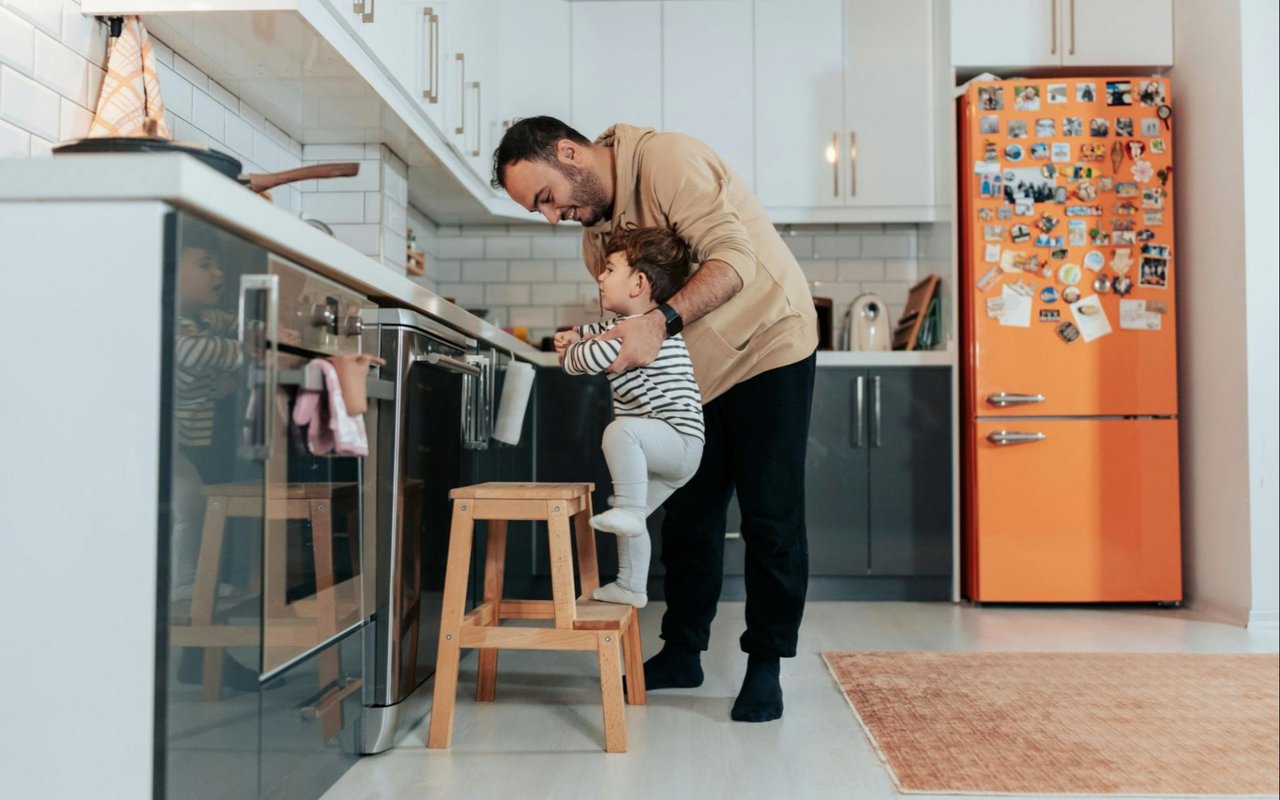
The kitchen and bathroom are two of the most hazardous spaces for young children, due to the combination of heat, water, and chemicals. Cabinet locks should be installed on all lower cupboards, particularly those storing cleaning products, sharp utensils, or breakable items. Stove knob covers and oven locks help prevent accidental burns, and pot handles should always be turned inward when cooking.
In the bathroom, non-slip mats should be used in both the tub and on tile floors. Toilet locks can help prevent drowning hazards for toddlers, and medications should be stored in locked cabinets, out of reach. Water heaters should be set to no more than 120 degrees Fahrenheit to reduce the risk of scalding.
Parents living in homes with dual-purpose laundry and mudrooms should also consider securing detergents and cleaning supplies. High-efficiency pods and liquid soaps can be dangerous if ingested, and keeping these products in locked cabinets adds a vital layer of protection.
In the bathroom, non-slip mats should be used in both the tub and on tile floors. Toilet locks can help prevent drowning hazards for toddlers, and medications should be stored in locked cabinets, out of reach. Water heaters should be set to no more than 120 degrees Fahrenheit to reduce the risk of scalding.
Parents living in homes with dual-purpose laundry and mudrooms should also consider securing detergents and cleaning supplies. High-efficiency pods and liquid soaps can be dangerous if ingested, and keeping these products in locked cabinets adds a vital layer of protection.
Childproof Windows, Doors, And Furniture
Windows should always be fitted with secure locks, and for multi-story homes, window guards are strongly recommended. These prevent windows from opening wide enough for a child to fall through but still allow for emergency exit in case of fire. Blind cords and drapes with long pulls pose a strangulation risk and should be either shortened or replaced with cordless options.
Furniture anchors are another important safety feature. Bookshelves, dressers, and televisions should be firmly secured to the wall to prevent tip-overs. This is particularly important in nurseries and playrooms, where climbing is a common risk. Coffee tables and other low-sitting furniture with sharp corners should be outfitted with protective padding to reduce injury risk.
Homeowners should also take extra care when selecting cribs, bassinets, and toddler beds. Products should meet current safety standards, be free of decorative cutouts or protrusions, and be assembled according to manufacturer instructions. Even minor flaws in construction can create hazards.
Furniture anchors are another important safety feature. Bookshelves, dressers, and televisions should be firmly secured to the wall to prevent tip-overs. This is particularly important in nurseries and playrooms, where climbing is a common risk. Coffee tables and other low-sitting furniture with sharp corners should be outfitted with protective padding to reduce injury risk.
Homeowners should also take extra care when selecting cribs, bassinets, and toddler beds. Products should meet current safety standards, be free of decorative cutouts or protrusions, and be assembled according to manufacturer instructions. Even minor flaws in construction can create hazards.
Safe Outdoor Spaces For Active Play
In Woodstock, where many homes have large yards, barns, or wooded surroundings, outdoor safety is just as important as indoor precautions. Fencing the yard creates a safe boundary, especially if the property is near a road or has bodies of water such as ponds or streams. Gates should be self-latching and tall enough to deter climbing.
Play equipment, like swing sets and slides, should be installed over soft surfaces such as mulch, rubber, or sand. All equipment should be inspected regularly for rust, splinters, or loose bolts. For homes with pools, state-compliant safety fencing and locking covers are essential, and homeowners should never rely solely on supervision when it comes to water safety.
For families in more rural areas of Woodstock, additional concerns may include wildlife, well access, or outbuildings. Sheds, garages, and barns should be kept locked, and children should only access these areas under adult supervision.
Play equipment, like swing sets and slides, should be installed over soft surfaces such as mulch, rubber, or sand. All equipment should be inspected regularly for rust, splinters, or loose bolts. For homes with pools, state-compliant safety fencing and locking covers are essential, and homeowners should never rely solely on supervision when it comes to water safety.
For families in more rural areas of Woodstock, additional concerns may include wildlife, well access, or outbuildings. Sheds, garages, and barns should be kept locked, and children should only access these areas under adult supervision.
Keep Safety Routines Up To Date
Childproofing is not a one-time task. As children grow and become more mobile, their ability to reach or interact with different parts of the home changes. Regular check-ins and updates to safety measures help ensure the home remains a secure environment. Smoke and carbon monoxide detectors should be tested monthly, and emergency plans for fire or severe weather should be reviewed with the entire family.
Labeling emergency shut-offs for gas, electricity, and water is also a helpful precaution. Babysitters, grandparents, or other caregivers should be shown how to use all safety features and be familiar with the layout of the home.
Labeling emergency shut-offs for gas, electricity, and water is also a helpful precaution. Babysitters, grandparents, or other caregivers should be shown how to use all safety features and be familiar with the layout of the home.
Creating A Safe Space For Growing Families
Whether buying a new home or updating an existing one, ensuring child safety should be part of every homeowner’s routine. With the right precautions in place, families can enjoy peace of mind knowing their home is as secure as it is welcoming. For guidance on finding a home in Woodstock, CT that meets your family's safety needs—or to explore child-friendly properties in the area—reach out to Jennie Kesselman today.