Thinking about buying a multi-family home in Washington Park? It can be a smart way to build income, lower your monthly housing cost, or expand your portfolio, but this neighborhood rewards buyers who look closely before they commit. In an area with older housing, mixed zoning, and waterfront influences, the right evaluation process can help you spot opportunity while avoiding expensive surprises. Here’s how to assess a Washington Park multi-family property with more confidence. Let’s dive in.
Why Washington Park Needs Careful Review
Washington Park has a very specific housing profile. The neighborhood plan describes the area as largely made up of single- and two-family homes built between 1890 and 1930, with some triple-deckers and many homes later divided into multiple units.
That matters because many of the multi-family options you see here may be older duplexes, small conversions, or three-family properties rather than newer apartment-style buildings. In the neighborhood plan, 79.3% of homes were built before 1960, 25.3% were duplexes, and 28.4% were multi-family units.
This age and housing mix can create real upside, but it also means you should assume due diligence will be hands-on. A property that looks appealing at first glance may have legal, maintenance, lead, or layout issues that affect both value and future rental performance.
Start With the Legal Unit Count
One of the first things to confirm is whether the property’s actual layout matches its legal use. In older neighborhoods, it is not unusual to find homes that were divided over time, sometimes without a fully documented path through permits or approvals.
Before you underwrite rents or renovation plans, compare the legal unit count against the tax record, permits, and current floor plan. If the building is being marketed as a three-family but the records support something else, that difference can affect financing, insurance, resale, and your improvement options.
This is especially important in Washington Park because the area has a varied land-use pattern. A 2023 zoning assessment notes that the neighborhood includes 36% industrial waterfront zoning, 11% light industrial zoning, 23% R-2 residential zoning, and 12% educational or institutional land.
That mix means you should verify allowed use, parking, and any waterfront or industrial-edge constraints before assuming you can expand, reconfigure, or convert a property. If part of your strategy depends on adding value through changes to the building, zoning review is a must.
Understand What Drives Rental Demand
If you are evaluating a multi-family home as an income property, you need to look beyond the building itself. You also want to understand the demand picture for rentals in Providence and how Washington Park fits into that larger market.
Providence is a renter-heavy city. HousingWorks RI reports that 59% of Providence households rent, the average two-bedroom rent is $2,264 per month, and 47% of renters are cost-burdened.
At the city level, Providence’s 2024 comprehensive-plan materials using 2020 Census figures show an overall vacancy rate of 2.6%, with rental vacancy at 6.1%. That does not guarantee performance for any specific property, but it does suggest you are analyzing rentals in a market where leasing conditions deserve close attention.
Washington Park also has factors that can support day-to-day livability and lease-up. The neighborhood includes public transit access through RIPTA Route 6 and the R-Line Broad/North Main corridor, and the Washington Park Library on Broad Street offers computers, printing, Wi-Fi, homework help, and cooling and warming center services.
The neighborhood plan also specifically noted the need to work with Johnson & Wales on student housing issues. That is a useful clue that institutional demand may influence rental patterns nearby.
Prioritize Age-Related Inspection Risks
In Washington Park, the age of the housing stock should shape how you walk through every property. Older multi-family homes often have character and income potential, but they may also come with deferred maintenance hidden behind cosmetic updates.
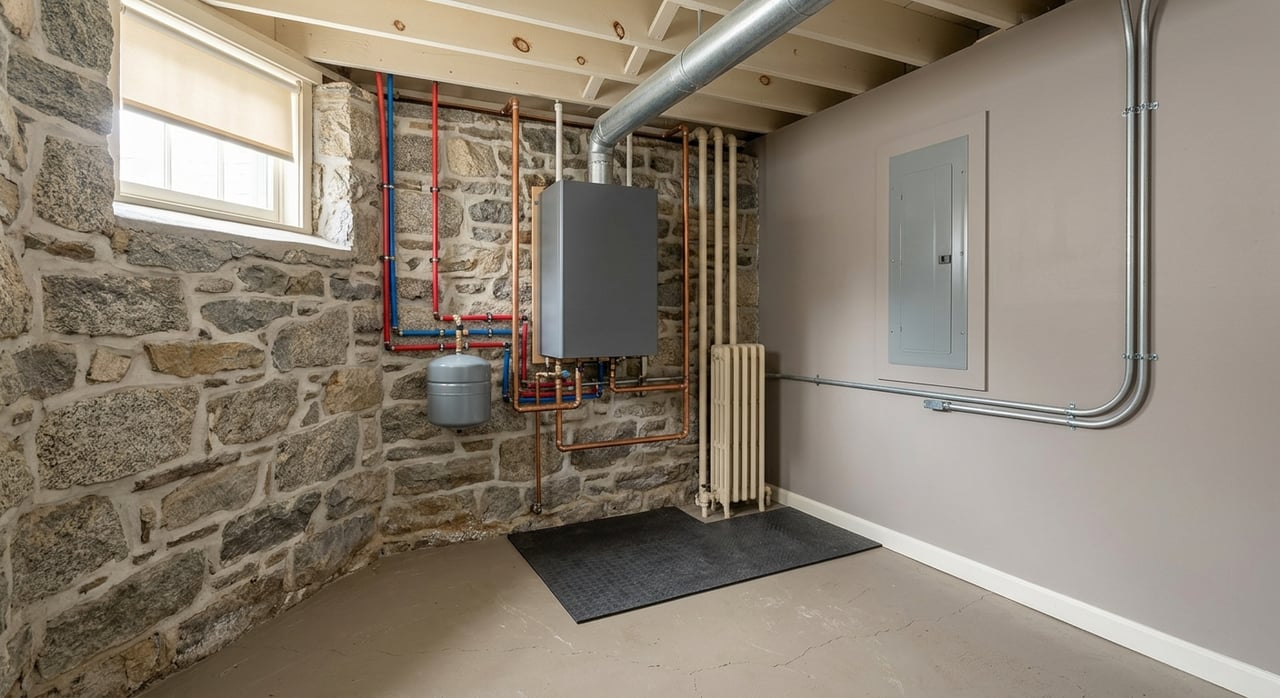
During your tour and inspection period, focus on the systems and building envelope first. A smart checklist includes:
- Roof age and visible roof wear
- Masonry condition
- Foundation moisture or cracking
- Basement drainage
- Signs of water intrusion
- Electrical service capacity and condition
- Plumbing condition
- Heating source and age
These items matter because they directly affect your repair budget, safety planning, and future cash flow. A building with strong rents on paper can become a weaker investment quickly if you are hit with major electrical, heating, or water-management work right after closing.
Treat Lead Compliance as Core Due Diligence
For older multi-family homes in Rhode Island, lead paint is not a side issue. It should be part of your core underwriting from the beginning.
Rhode Island’s Department of Health says owners of rental units built before 1978 are usually subject to Lead Hazard Mitigation Regulations unless exempt. Landlords may need a lead inspection or certificate, tenant notices, periodic re-inspection, lead-safe work practices, and lead paint liability insurance.
When you tour the property, watch closely for peeling or damaged paint, especially in wear-prone areas such as windows, stair treads, and door frames. Even if the layout and rents look promising, unresolved lead issues can affect your timeline, budget, insurance needs, and compliance responsibilities.
Rhode Island also states that renovation work disturbing pre-1978 paint must be performed by a licensed Lead Renovation Firm. If your value-add strategy includes unit turns, window replacement, or interior updates, factor that requirement into your scope and pricing before you move forward.
Check Safety and Fire-Code Basics
Older conversions deserve extra scrutiny when it comes to safety. Rhode Island’s fire code requires smoke and carbon monoxide detection in one- and two-family dwellings and three-family apartment buildings.
As you evaluate a property, confirm the presence and condition of smoke alarms and carbon monoxide alarms. Also review egress, common-area safety, and whether older electrical or heating components may need attention.
These details are easy to overlook during a busy showing, but they matter. A property that has been used as a rental for years may still need upgrades to meet current expectations for safety and functionality.
Review Flood Exposure and Insurance Early
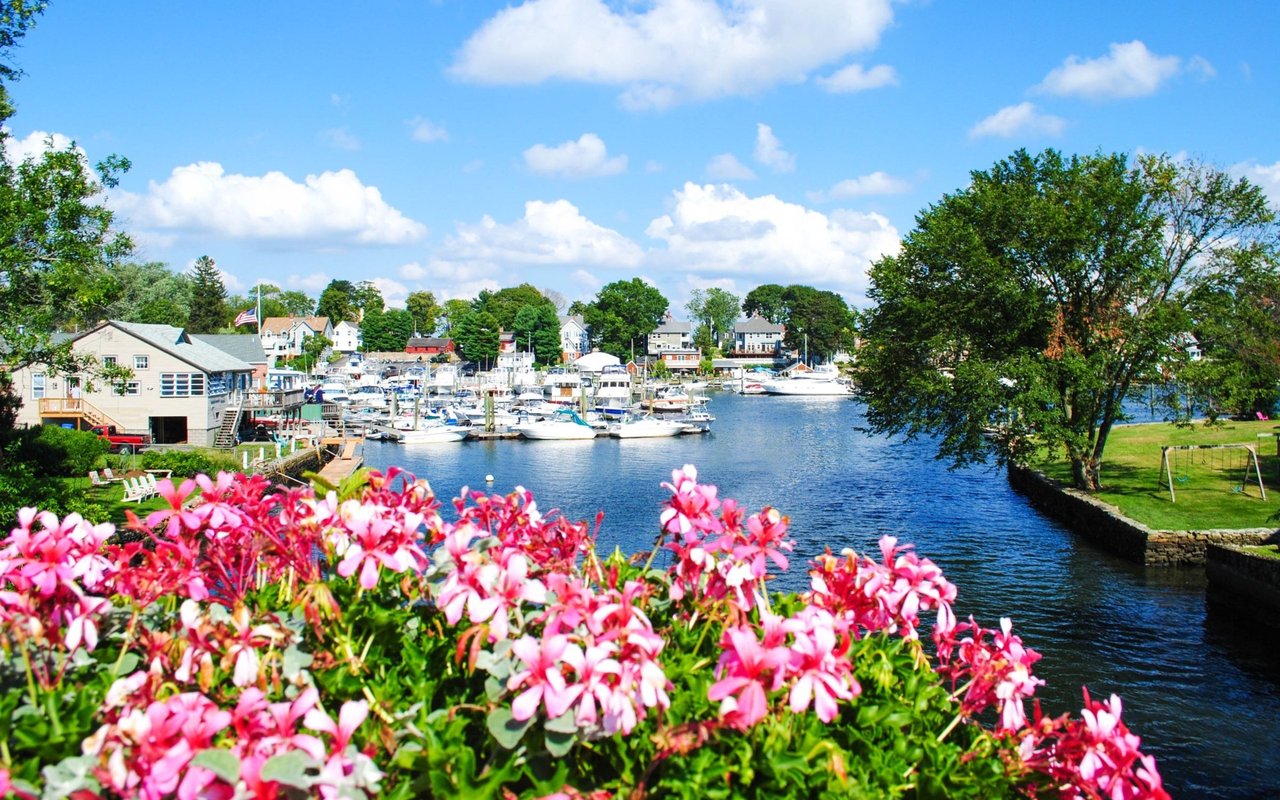
Washington Park’s location adds another layer to your evaluation. The neighborhood borders the Providence River and includes industrial waterfront zoning, so flood risk should be reviewed early, not after you are already deep into the deal.
Ask your insurance professional whether the property is in a FEMA Special Flood Hazard Area. The Rhode Island Coastal Resources Management Council notes that lenders assess flood risk over the life of the loan and may request an elevation certificate.
Insurance standards also affect your budgeting. For one- to four-unit properties, Fannie Mae guidance referenced in the research report requires replacement-cost coverage, special-form property insurance, and a maximum 5% deductible under its standards.
Even if your lender’s exact program differs, the broader takeaway is simple: do not estimate insurance casually. In a neighborhood near the river, insurance costs and flood-related requirements can meaningfully change your monthly numbers.
Ask Better Financing Questions
Financing a multi-family property is not always as simple as plugging in market rent and a down payment. Whether you are an investor or an owner-occupant, you should ask lenders exactly how they will evaluate projected rental income, reserve requirements, and occupancy structure.
The research report notes that debt service coverage ratio is based on underwritten net cash flow divided by annual debt service. In plain terms, lenders may not give full credit to your rent assumptions, and that can affect what you qualify for.
A few smart questions to ask early include:
- How will projected rent be counted for this property?
- What reserve requirements apply?
- Does owner-occupancy change the loan structure?
- Are there property-condition issues that could affect approval?
- Will lead, flood, or insurance findings change underwriting?
The clearer you get on these points up front, the easier it is to separate a workable deal from one that only looks good at listing price.
Confirm Ongoing Rental Compliance
If the property will operate as a rental, make sure you understand ongoing Rhode Island requirements. The research report states that landlords of rental units built before 1978 generally need a valid lead certificate and lead paint liability insurance unless exempt.
Rhode Island also says landlords must register rental properties in the Rhode Island Rental Registry. These are not details to sort out after closing if you are already counting on rental income.
For many buyers, this is where strategy matters most. A building with clean documentation, manageable deferred maintenance, and clear compliance can be more valuable than a cheaper property with unresolved issues hiding behind a strong rent estimate.
What a Strong Candidate Looks Like
In Washington Park, the most promising multi-family opportunities are often the simplest ones. Based on the research, strong candidates are likely to be small, older two- to four-unit buildings with a clear legal unit count, manageable repair needs, documented lead compliance, and no hidden flood or zoning problems.
That does not mean every older property is a risk or every updated property is a safe bet. It means your best decision usually comes from matching the building’s actual condition and legal status to your goals, budget, and timeline.
If you are house hacking, investing, or comparing value-add options, the right property should make sense on more than one level. It should work structurally, legally, financially, and operationally.
Buying a multi-family home in Washington Park can be a smart move when you evaluate it with discipline. If you want help analyzing a property, comparing options, or building a smarter acquisition strategy in Rhode Island, Jennie Kesselman can help you approach the process with clarity and confidence.
FAQs
What should you check first in a Washington Park multi-family home?
- Start by confirming the legal unit count against tax records, permits, and the current floor plan, then review major systems, safety items, and zoning constraints.
Why is lead paint such a big issue for Washington Park rentals?
- Many homes in the area are older, and Rhode Island says owners of rental units built before 1978 are usually subject to lead hazard mitigation rules unless exempt.
How does Washington Park zoning affect multi-family buyers?
- The neighborhood includes residential, industrial waterfront, light industrial, and institutional land uses, so you should verify allowed use, parking, and any limits on expansion or conversion.
Does flood risk matter when buying near Providence River?
- Yes. Because Washington Park borders the Providence River, buyers should ask whether a property is in a FEMA Special Flood Hazard Area and how that may affect insurance and lending.
Is Washington Park a strong rental market for multi-family property?
- Providence is a renter-heavy city, and citywide data in the research report shows strong rental relevance, but each property still needs to be evaluated for condition, compliance, and location-specific demand.