Remote Work and Relocation Guide
Essential Home Office Design Tips for Remote Professionals
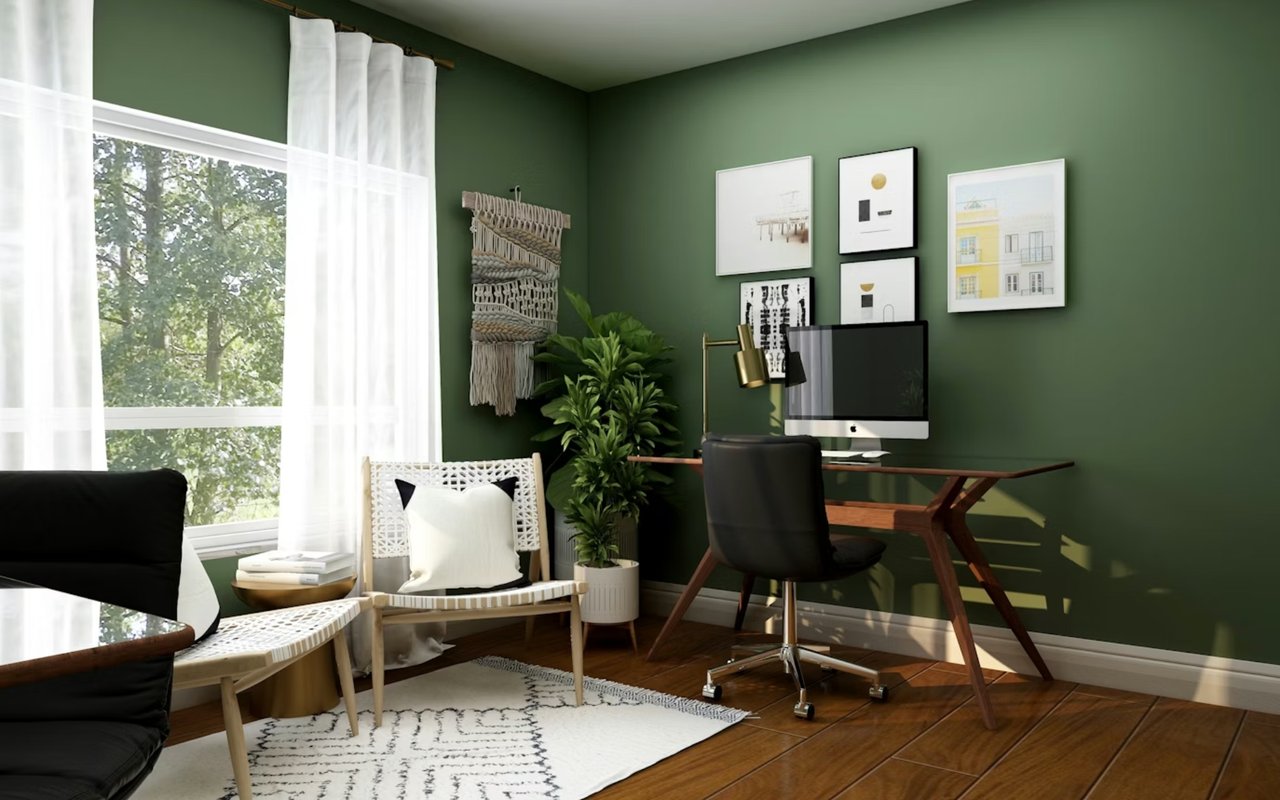
For Hartford and Windham County professionals, designing a dedicated home office is critical for remote work and suburban relocation. A well-structured home workspace optimized for video conferencing, dual-monitor ergonomics, and high-speed fiber internet dramatically increases daily productivity and commands higher resale premiums across Connecticut's Quiet Corner housing market.
Whether converting a spare bedroom, finishing a lower-level walkout, or integrating an executive workspace into an open floor plan, discover how deliberate office design enhances both daily lifestyle and long-term property equity.
Executive Home Office Design Matrix and Ergonomic Framework
Strategic analysis of home office setup priorities, technological requirements, and their direct impact on professional productivity and property valuation.[1]
Office Design Priority | Specific Setup Requirement | Hardware and Finishes | Impact on Daily Productivity | Resale Value Advantage |
|---|---|---|---|---|
Spatial Location and Layout | Dedicated room with a door, separated from high-traffic household zones | Solid-core doors for acoustic privacy, independent thermostat controls | Eliminates visual and auditory distractions during focused work blocks. | Highly sought after by relocation buyers evaluating floor plans. |
Technological Infrastructure | Reliable high-speed fiber internet and mesh Wi-Fi integration | Hardwired Ethernet ports, concealed cable management channels | Ensures stable bandwidth for uninterrupted daily video conferencing. | A mandatory utility requirement for out-of-state corporate buyers. |
Ergonomics and Furniture | Adjustable standing desk and supportive, commercial-grade seating | Dual-monitor articulating arms, anti-fatigue floor mats | Prevents physical fatigue and postural strain over 8-hour shifts. | Showcases the home as a permanent, turnkey executive workspace. |
Lighting and Video Readiness | Multi-layered illumination to eliminate harsh shadows on camera | Forward-facing LED key lights, ambient background lamps, window sheer shades | Projects a polished, professional image during executive remote meetings. | Enhances listing photography by making the room feel bright and capable. |
Storage and Built-In Millwork | Concealed filing solutions to prevent visual clutter and maintain order | Custom painted built-in bookcases, lateral file cabinets, floating shelves | Streamlines workflow and reduces psychological stress. | Custom millwork acts as a luxury architectural feature for appraisers. |
Sources: Relocation buyer trends and appraisal data synthesized from SmartMLS Connecticut transaction ledgers and interior design market surveys.[1]
The Hybrid Work Era
Why Dedicated Workspaces Define Modern Real Estate
In today's evolving real estate market, the home office is no longer a luxury bonus feature, it is a strict necessity. For buyers relocating from dense urban centers to spacious suburban or rural markets like Windham County, the ability to execute high-level corporate tasks without leaving the property is paramount.[2]
Homes featuring thoughtfully arranged, technologically equipped office spaces instantly distinguish themselves in the competitive Connecticut market. A polished home office demonstrates that the property can seamlessly support the hybrid lifestyle, converting prospective buyers into committed offer submissions.
Relocating for Remote Work?
Find Connecticut Properties with Premium Office Potential
Explore estates, historic colonials, and new builds in Windham and Tolland counties equipped with high-speed rural internet access and flexible floor plans.
Core Design Elements
Pillars of Productivity and Office Organization
Designing a functional workspace requires balancing physical comfort with technological reliability. Here are four foundational strategies for executing a high-performance home office layout.
Acoustic Privacy & Zoning
Place the office away from the kitchen and primary living room to limit ambient noise. Utilizing a spare bedroom, a finished walkout basement, or an insulated attic conversion ensures boundaries between professional hours and personal household life.
Video Conferencing Lighting
Never position your desk with a bright unshaded window directly behind you. Position the desk so natural light hits your face, and supplement with adjustable LED task lamps to maintain a professional, well-lit appearance on camera.
Desks and Seating Alignment
Invest in an adjustable sit-stand desk mechanism and a chair with lumbar support. The top of your primary monitor should sit at or slightly below eye level to prevent cervical neck strain during prolonged drafting or coding sessions.
Psychological Color Palettes
Avoid stark, clinical white walls. Integrate muted greens, deep blues, or warm greys which promote sustained focus and lower visual fatigue. Incorporate custom built-in cabinetry to hide messy network routers, paper files, and hardware cables.
Regional Technical Vendors and Infrastructure Services
- Charter Spectrum Business Services: Providing gigabit coaxial internet service to commercial and residential properties across major Hartford County suburbs.
- Breezeline Fiber Optics: Expanding high-speed fiber-to-the-home (FTTH) networks across the rural communities of eastern Connecticut and Windham County.[3]
- Woodstock Building Department: 415 Route 169, Woodstock, CT. Governs local municipal electrical permits required when installing dedicated high-amperage home office subpanels.
Strategic Resale Strategy
How Workspaces Increase Property Equity
Sellers must recognize that staging an office correctly is just as critical as staging a primary suite or kitchen. A chaotic, multi-purpose junk room will deter buyers, while a staged executive suite invites competitive offers.
Creating Intentional Functionality
Remove fitness equipment, guest beds, or children's toys from the designated office area before listing photos are captured. The space must present exclusively as a professional environment, allowing touring buyers to instantly envision their own laptops and monitors on the desk.
Review our analysis on what move-in ready really means to understand how turnkey setups drive faster sales.
Investing in Custom Millwork
Installing custom floor-to-ceiling bookshelves, a painted wainscoting accent wall, or a solid wood built-in desk elevates the space from a generic spare bedroom into a bespoke architectural feature. These permanent upgrades hold significant weight during bank appraisals.
Discover how local upgrades influence value in our guide to neighborhood amenities that increase home value.
Educational Resources
Related Connecticut Real Estate Guides and Video Links
Complement your video viewing with our detailed analytical guides, town profiles, and market playbooks.
Best Time to Sell a House in CT
Seasonal market dynamics, peak selling windows, and preparation timelines across Connecticut.
Windham County Neighborhood Hub
Comprehensive regional guide to 15 towns across Connecticut's historic Quiet Corner.
Woodstock CT Community Guide
Explore Woodstock Hill, equestrian properties, historic colonials, and country acreage.
Jennie Kesselman Client Reviews
Verified 5-star testimonials from buyers and sellers across Connecticut and Rhode Island.
Connecticut Seller Advisory
Professional listing presentation, high-end video marketing, and negotiation management.
Custom Property Valuation
Request a precise equity assessment and comparative market analysis for your home.
Questions and Answers
Frequently Asked Questions About Home Office Design and Resale Value
Insights on workspace staging, internet infrastructure, and how dedicated offices influence buyer decisions in Connecticut.
Does adding a home office genuinely increase my property's resale value?
Yes. Since the shift toward remote work, a dedicated home office has transformed from an optional luxury into a primary buyer requirement. Properties staged with professional office spaces experience higher initial showing requests and stronger, more confident contract offers.
What is the best layout for video conferencing in a home office?
Position your desk so that natural window light faces you directly, rather than sitting behind you which causes camera silhouette issues. Ensure the background visible on camera is organized, featuring neutral artwork or built-in bookshelves, rather than a messy bedroom or open hallway.
How can I test the internet reliability of a rural Connecticut property before buying?
During the home inspection contingency, buyers should actively speed-test the existing Wi-Fi network and independently verify service availability with local providers like Spectrum or Breezeline. Do not assume high-speed fiber or coaxial cable is available simply because the home is near a main road.
Should I sacrifice a guest bedroom to stage a home office when selling?
In most suburban and rural markets, a dedicated home office holds more daily value to buyers than a secondary guest bedroom. If you have four bedrooms, staging one explicitly as a high-end office will typically yield a higher return than staging it as a spare room.
How can I improve acoustic privacy in an open-concept home layout?
If you cannot enclose the workspace with a solid door, improve acoustic dampening by installing thick area rugs, heavy window drapes, acoustic ceiling panels, and soft upholstered furniture to absorb ambient noise and reduce echoing during conference calls.
What lighting setup reduces eye strain during remote work?
Avoid relying exclusively on harsh overhead recessed lights. Implement a layered lighting strategy: utilize natural daylight when possible, add a warm ambient floor lamp to soften the room, and use an adjustable, glare-free LED task lamp focused directly on your desk surface.
Jennie Kesselman, Founder of the Marquee Team
Real Estate Elevated / Berkshire Hathaway HomeServices
Jennie Kesselman ranks in the top 2 percent of Berkshire Hathaway agents globally as a Chairman's Gold Circle honoree and was recognized as Rookie of the Year across New England and New York. Specializing in luxury residential and relocation advisory, Jennie guides homeowners through strategic property staging, high-impact marketing, and precise market valuation.
Optimize Your Property Search or Sale
Ready to Discuss Your New England Real Estate Goals?
Connect with Jennie Kesselman and the advisory team at Real Estate Elevated to analyze your property's equity, review staging recommendations, and formulate a winning transaction plan.