When evaluating real estate, one factor that consistently influences market value is the age of a home. While newer properties often appeal to buyers seeking modern features and lower maintenance, older homes can offer character, craftsmanship, and established locations. The relationship between a home’s age and its value is nuanced, shaped by condition, renovations, and buyer priorities. For sellers and buyers alike, understanding this connection is essential to making informed real estate decisions.
The Appeal Of Newer Homes
Newly built or recently constructed homes often command higher prices because of their modern design, updated systems, and move-in readiness. Buyers are drawn to the efficiency of new HVAC systems, plumbing, electrical wiring, and roofing, knowing that fewer immediate repairs or replacements will be necessary.
In addition, newer homes typically feature layouts that align with current lifestyle trends, such as open floor plans, larger kitchens, and smart technology integration. These conveniences make them particularly attractive to buyers willing to pay a premium for modern living.
The Value Of Older Homes
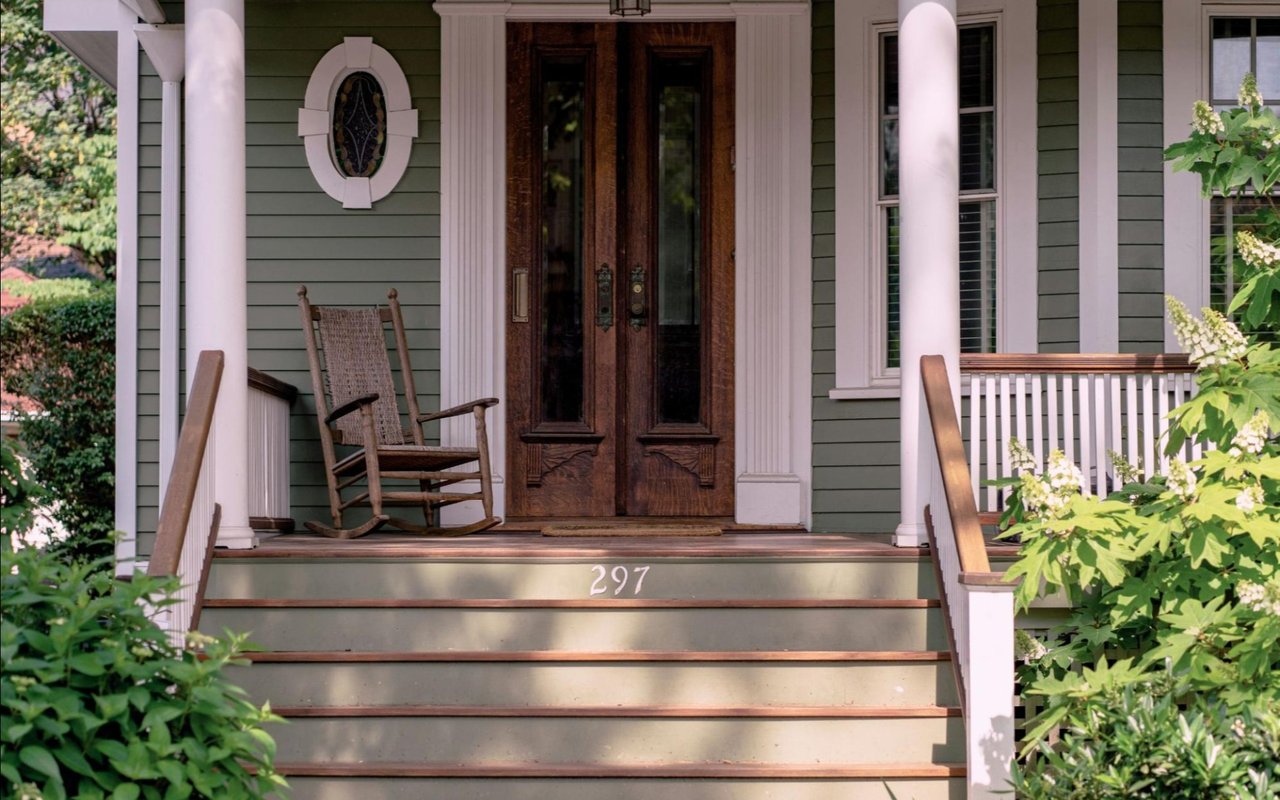
While newer homes may top price charts, older homes hold unique advantages that contribute to their market value. Many older properties were built with high-quality materials and craftsmanship that are harder to find in modern construction. Original hardwood floors, detailed millwork, and distinctive architectural styles give these homes a sense of character that buyers often cherish.
Location also plays a role. Older homes are frequently situated in established neighborhoods with mature landscaping, larger lot sizes, and proximity to town centers or historic districts. For buyers seeking charm and community atmosphere, these qualities can outweigh the appeal of newer builds.
Renovations And Upgrades As Value Drivers
One of the key factors in determining how age affects value is whether a home has been updated. An older home that has undergone thoughtful renovations can rival, or even exceed, the value of a newer property. Kitchens and bathrooms that meet modern expectations, energy-efficient windows, and updated systems make a significant difference in buyer perception.
Conversely, a home of any age that shows signs of deferred maintenance or outdated features may see its market value reduced. Buyers tend to calculate the cost of necessary updates into their offers, lowering the overall price they are willing to pay.
Buyer Perceptions And Lifestyle Priorities
The impact of a home’s age on market value also depends on buyer demographics. First-time buyers often lean toward newer homes that minimize immediate repair needs, while seasoned buyers may appreciate the charm and renovation potential of older properties. Families might prioritize modern layouts, while retirees may value established neighborhoods with mature landscaping.
Ultimately, the connection between age and value is filtered through buyer priorities. What one buyer sees as outdated, another may view as an opportunity for customization.
The Role Of Maintenance History
A well-maintained home, regardless of age, consistently outperforms neglected properties in terms of value. Regular upkeep—such as roof replacements, system servicing, and cosmetic updates—extends a property’s life span and reassures buyers of its reliability.
Buyers often request maintenance records during the purchasing process. A clear history of care can help an older home compete with newer listings by demonstrating longevity and reduced future risk.
Market Conditions And Local Trends
Broader market conditions also influence how home age affects value. In areas with limited new construction, older homes may command higher prices simply because of demand and scarcity. In contrast, markets with abundant new developments may see older homes sell at a discount unless they have been extensively updated.
Local preferences play a role as well. In historic towns, buyers may pay a premium for properties that reflect architectural heritage, while in growing suburbs, newer builds may dominate buyer demand.
Striking The Balance Between Age And Value
Ultimately, age is only one factor in determining market value. Buyers consider location, condition, size, and design alongside a property’s age. Sellers benefit from presenting their home in the best possible light, highlighting updates, character, and lifestyle benefits that resonate with buyers.
For buyers, understanding how age shapes value can help identify opportunities—whether that means choosing a newer home with fewer long-term expenses or an older property with unique features and renovation potential.
Expert Guidance In Woodstock Real Estate
Decoding the relationship between a home’s age and its market value requires both local knowledge and an understanding of buyer psychology. With the right perspective, homeowners can position their property effectively, and buyers can make decisions aligned with their goals. For tailored insights into Woodstock, CT real estate, reach out to Jennie Kesselman today for expert guidance and personalized support.